Environmental labelling information
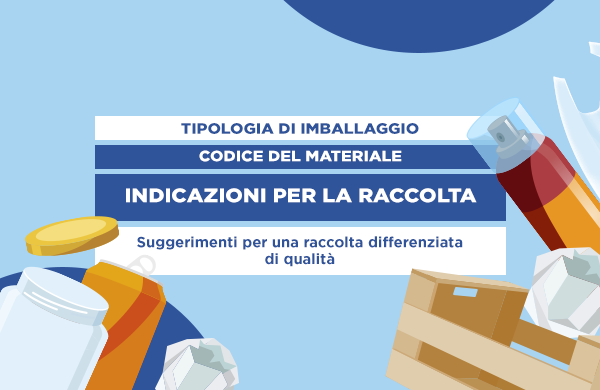
On packaging you will always find, for each component, the material code that is an alphanumeric code indicating the material the packaging is made of and the disposal instruction where the packaging should be placed. You may also find the packaging type and suggestions for effective separate collection.
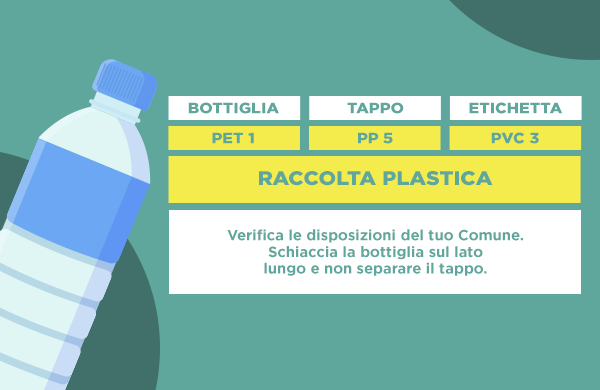
Labelling on a plastic bottle
In this example, we see that the environmental labelling indicates the correct disposal of each part of the packaging and the polymer codes identifying the plastics used for the bottle, cap and label.
In this case, the three parts are made from three different types of plastic, but, as indicated, they can all be disposed of in the plastic collection.
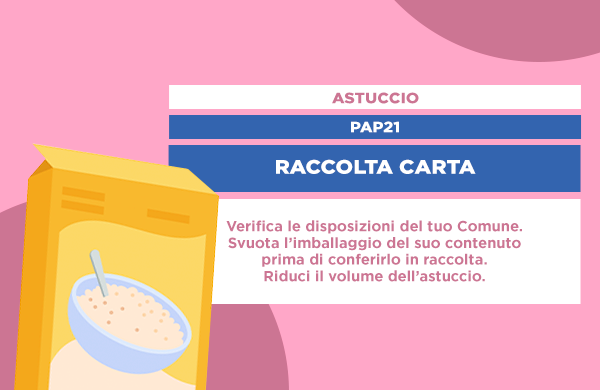
Labelling on a cereal box
The paper material code always begins with “PAP”, followed by numbers indicating the type of paper. In the example shown, the packaging must be disposed of in the paper collection.
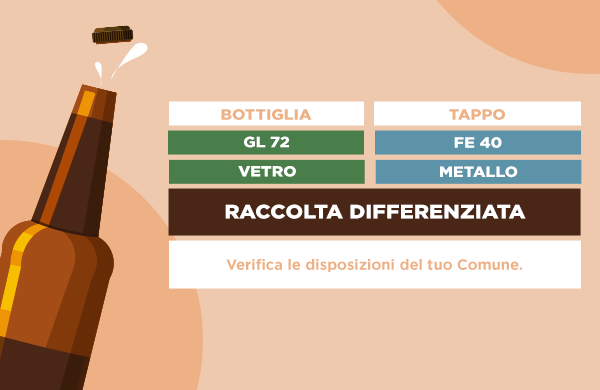
Labelling on a glass bottle with a crown cap
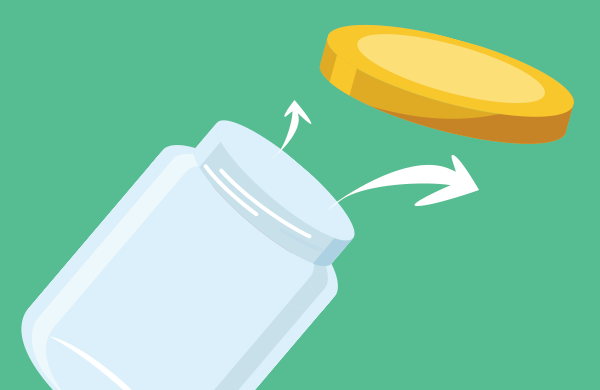
The labelling reminds us that the cap and bottle are made from different materials. The bottle must therefore be disposed of in the glass collection, and the cap in the metal collection.
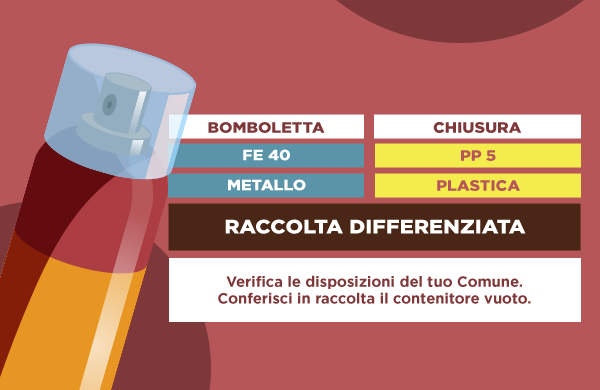
Labelling on a deodorant
What does this labelling tell us? The aerosol can must be disposed of in the metal collection, and the cap in the plastic collection.
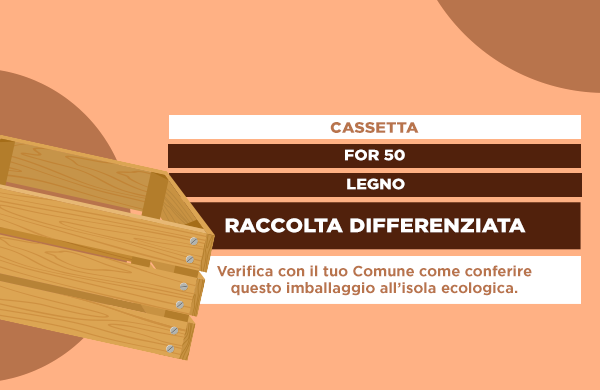
Labelling on a wooden crate
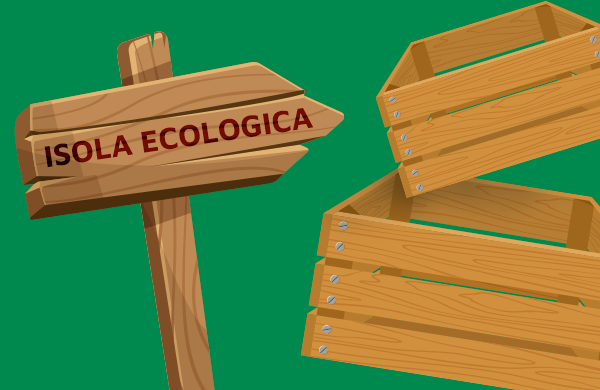
Wooden packaging, as indicated on the label, must be disposed of in the wood collection, which means it must always be taken to the recycling centre.
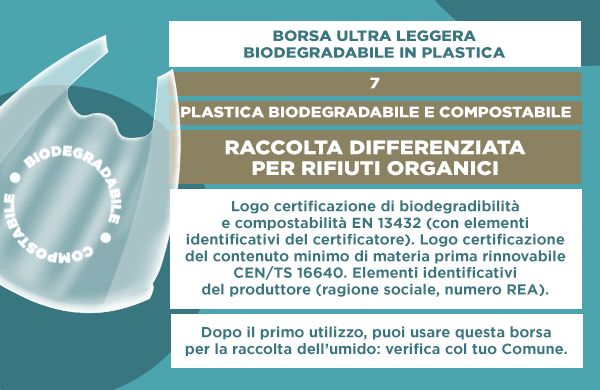
Labelling on a bioplastic bag
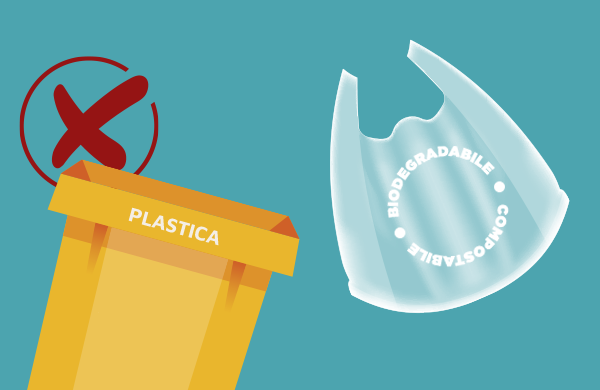
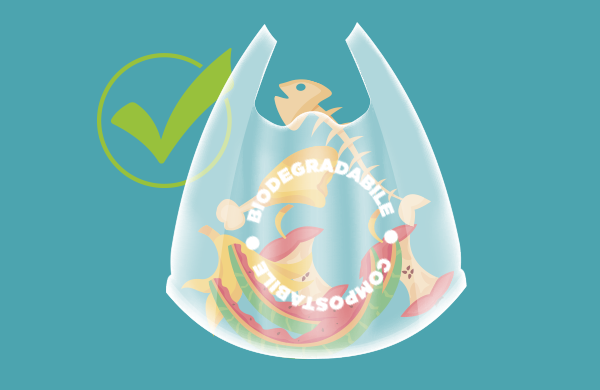
This bag may look like traditional plastic, but it is not: the label states that certified biodegradable and compostable broken bags must be disposed of in the organic collection. If the bag is still usable, use it to collect organic waste.
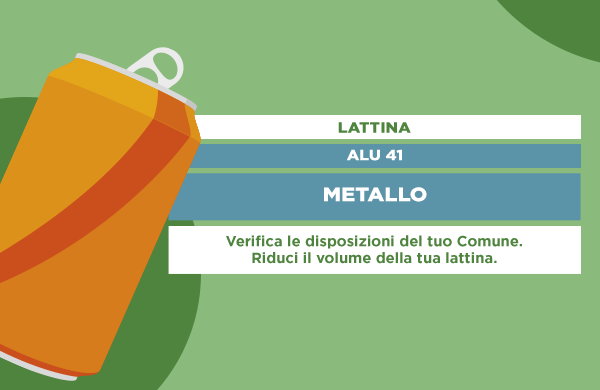
Labelling on a can
“ALU 41” indicates aluminium. As stated on the label, this can must be disposed of in the metal collection.