Awareness

Etichettatura Campaign

How to read environmental labelling

Since 1 January 2023, all packaging must display environmental labelling with all the information needed to help us carry out correct separate collection. It is a significant effort in the name of the environment, but not enough on its own: we must play our part, otherwise what is the point?
Before looking at specific examples, here are some important points to keep in mind:

  • Environmental labelling may be replaced or supplemented by QR codes, apps and websites. This means that, rather than the labelling shown below, you may simply find a reference directing you to a web page illustrating correct disposal.
  • Collection rules may vary from one municipality to another. For more information, refer to the separate collection guidelines for where you are located.
Environmental labelling information

Environmental labelling information

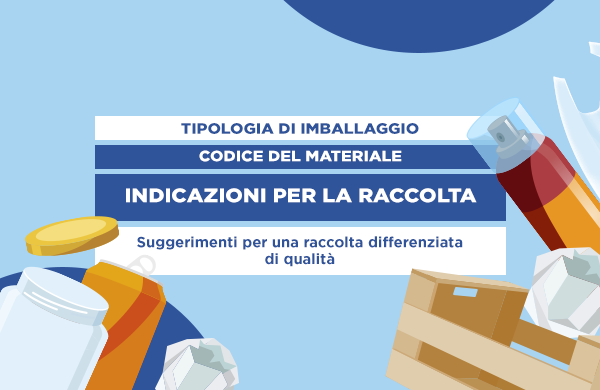
On packaging you will always find, for each component, the material code that is an alphanumeric code indicating the material the packaging is made of and the disposal instruction where the packaging should be placed. You may also find the packaging type and suggestions for effective separate collection.
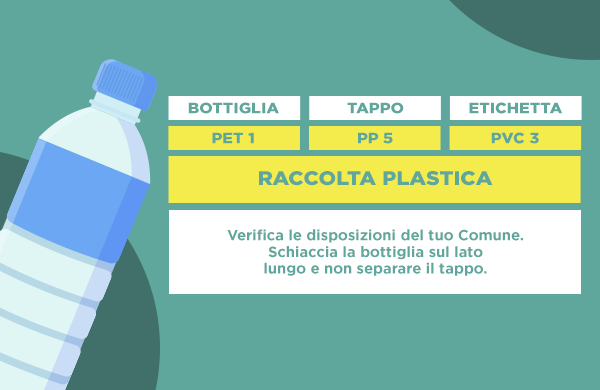
Labelling on a plastic bottle

Labelling on a plastic bottle

In this example, we see that the environmental labelling indicates the correct disposal of each part of the packaging and the polymer codes identifying the plastics used for the bottle, cap and label.
In this case, the three parts are made from three different types of plastic, but, as indicated, they can all be disposed of in the plastic collection.
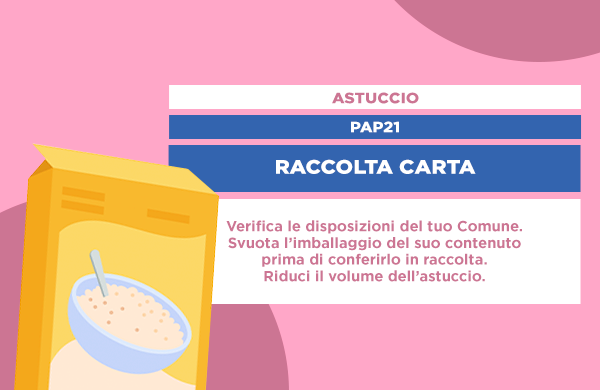
Labelling on a cereal box

Labelling on a cereal box

The paper material code always begins with “PAP”, followed by numbers indicating the type of paper. In the example shown, the packaging must be disposed of in the paper collection.
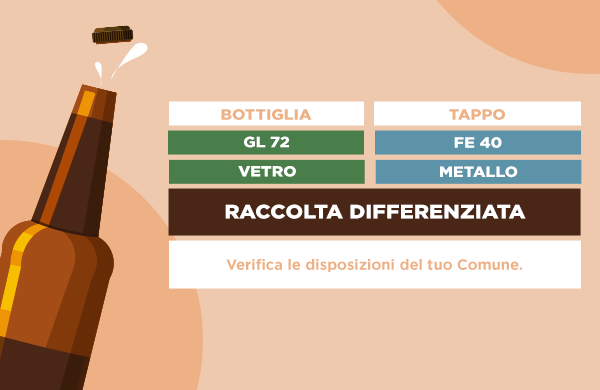
Labelling on a glass bottle with a crown cap

Labelling on a glass bottle with a crown cap

The labelling reminds us that the cap and bottle are made from different materials. The bottle must therefore be disposed of in the glass collection, and the cap in the metal collection.
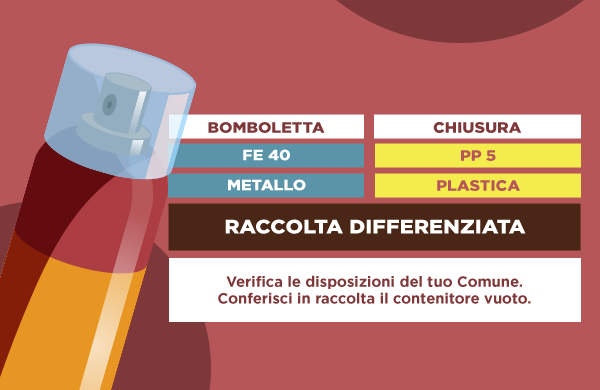
Labelling on a deodorant

Labelling on a deodorant

What does this labelling tell us? The aerosol can must be disposed of in the metal collection, and the cap in the plastic collection.
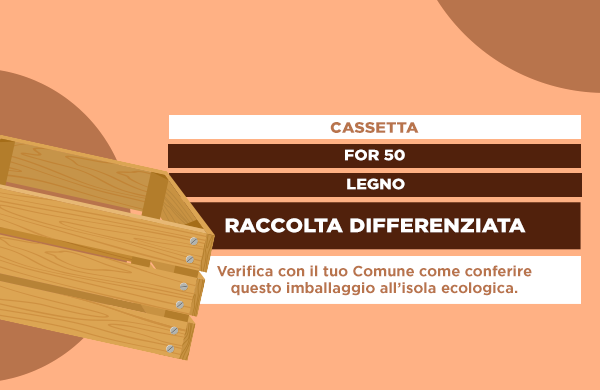
Labelling on a wooden crate

Labelling on a wooden crate

Wooden packaging, as indicated on the label, must be disposed of in the wood collection, which means it must always be taken to the recycling centre.
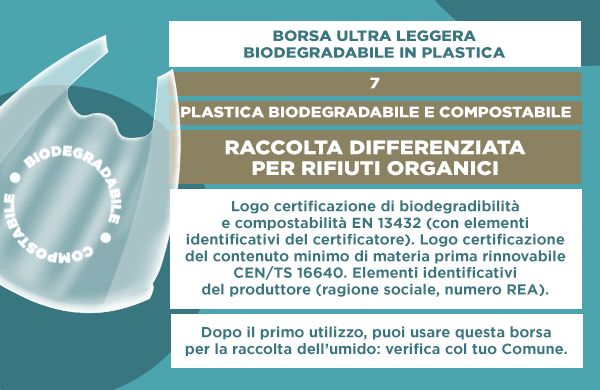
Labelling on a bioplastic bag

Labelling on a bioplastic bag

This bag may look like traditional plastic, but it is not: the label states that certified biodegradable and compostable broken bags must be disposed of in the organic collection. If the bag is still usable, use it to collect organic waste.
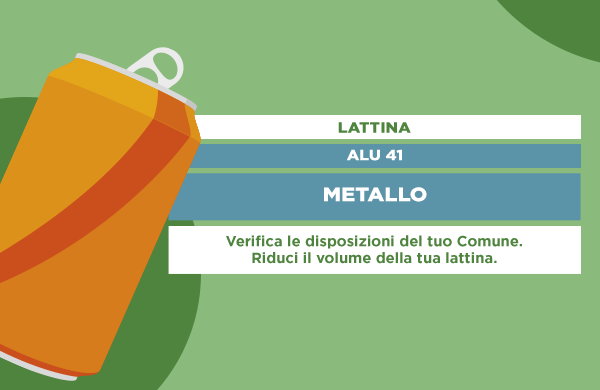
Labelling on a can

Labelling on a can

“ALU 41” indicates aluminium. As stated on the label, this can must be disposed of in the metal collection.
The most common mistakes, and how to avoid them.

Anyone can make a mistake when separating waste, but what many do not realise is that even a simple error can hinder or prevent the recycling process for many types of packaging that could otherwise have a new life. Scroll through the images to check whether you’re separating things correctly.

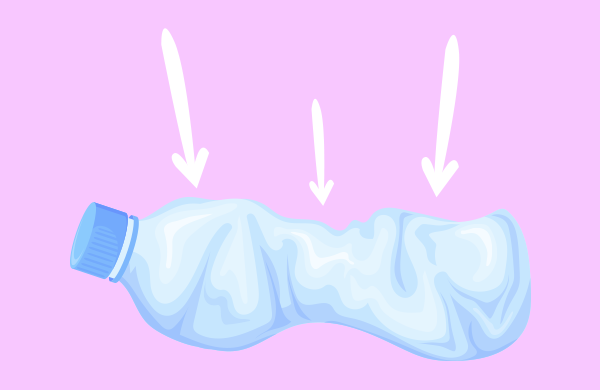
Bottles should be flattened along their length, not from the cap downwards.

Bottles should be flattened along their length, not from the cap downwards.

Plastic bottles should be flattened lengthwise and the cap should be screwed back on.

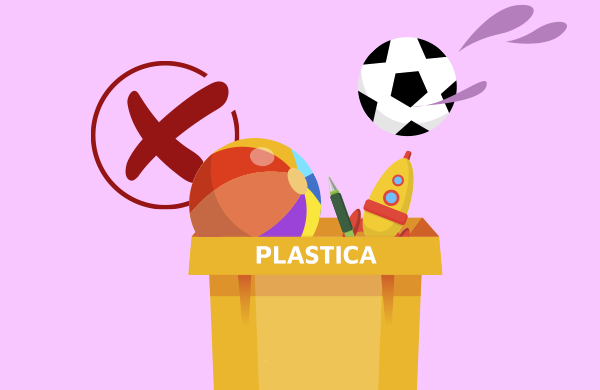
Plastic objects do not go in the plastic collection.

Plastic objects do not go in the plastic collection.

Even if they are made of plastic, objects such as pens, balls, toys, game consoles and sunglasses must not be placed in the plastic collection – only packaging should be disposed of there.

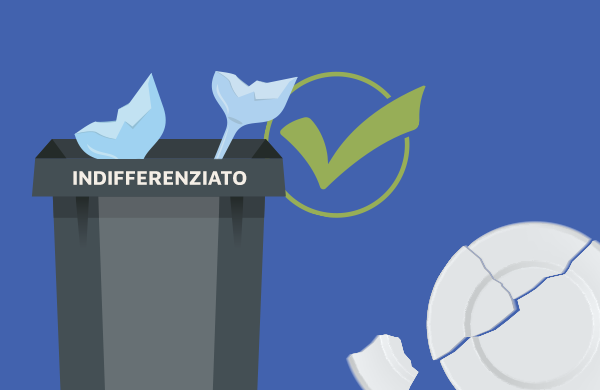
Crystal and ceramics should go in the mixed waste collection, not in glass.

Crystal and ceramics should go in the mixed waste collection, not in glass.

Crystal and ceramic objects such as broken glasses and vases must be placed in the mixed-waste collection. Their melting temperatures are different than glass packaging and they cause damage the recycling system.

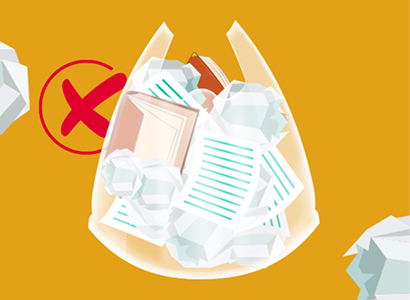
Paper should not be disposed of with other materials.

Paper should not be disposed of with other materials.

If you use a plastic bag to collect paper, do not put the plastic bag in the paper collection: empty it and take the bag home – you can always reuse it.

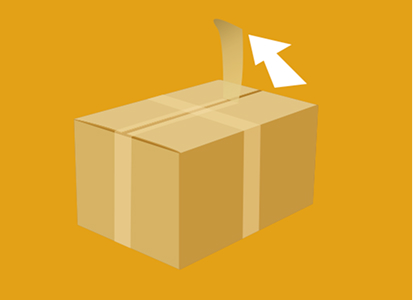
Remove adhesive tape and other materials from boxes before disposing of them.

Remove adhesive tape and other materials from boxes before disposing of them.

Where possible, remove adhesive tape from cardboard boxes and dispose of it separately.

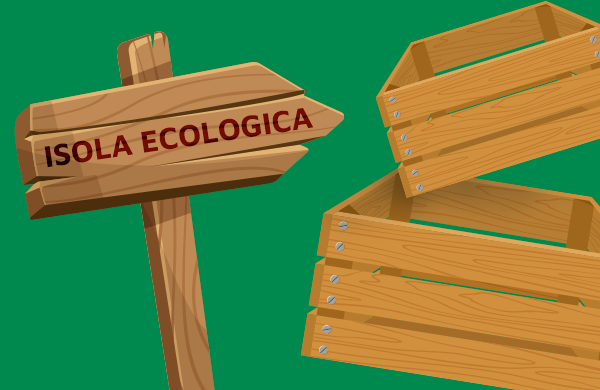
Wood packaging should be taken to the recycling centre.

Wood packaging should be taken to the recycling centre.

It shouldn’t be disposed of in mixed waste or organic waste. Many municipalities offer home collection services too – check whether this is available in your area.

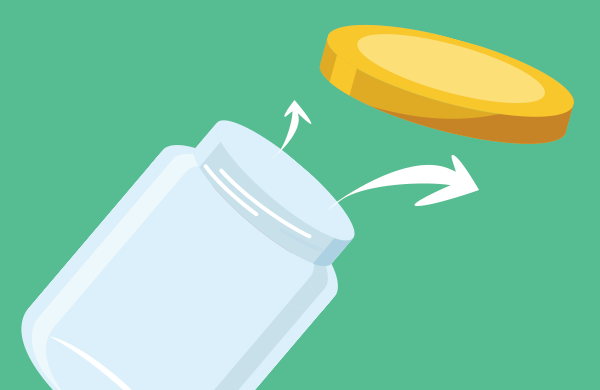
Metal caps and glass jars should be separated and disposed of in their respective collections.

Metal caps and glass jars should be separated and disposed of in their respective collections.

Each part of the packaging should be placed in the collection corresponding to its material. If in doubt, read the environmental labelling on the packaging.

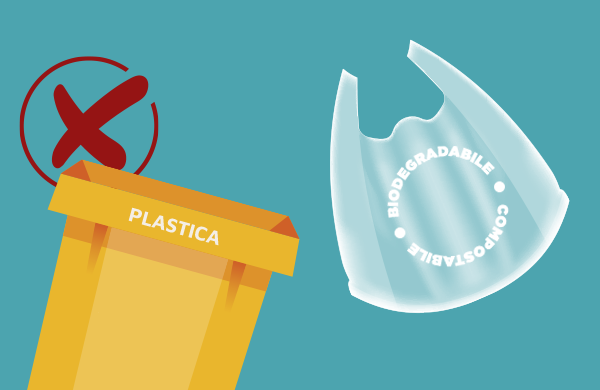
Broken bioplastic bags should not be disposed of in the plastic collection.

Broken bioplastic bags should not be disposed of in the plastic collection.

Bioplastic bags are biodegradable and compostable. When they’re broken, they should be disposed of in the organic collection, so they can become compost for the soil.

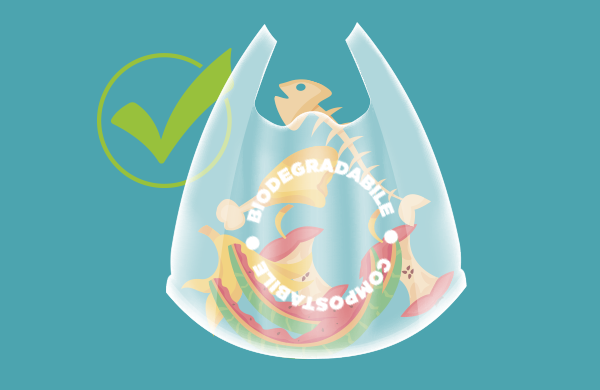
Use only certified compostable bioplastic bags for organic waste.

Use only certified compostable bioplastic bags for organic waste.

Don’t use plastic bags or bags made of other materials – they’re not compostable. Always check the environmental labelling on the bags.

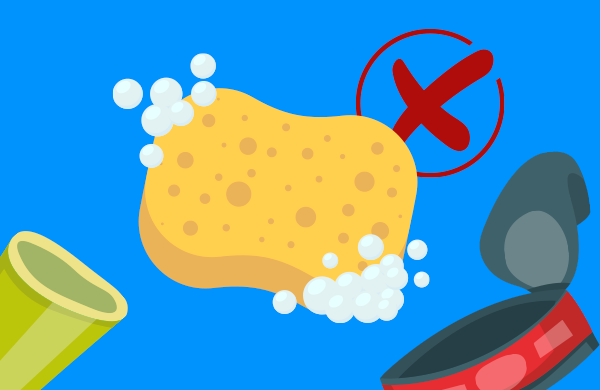
Packaging does not need to be washed before separate collection.

Packaging does not need to be washed before separate collection.

Simply empty it of any residue – it doesn’t matter if it’s dirty or greasy. Washing it is a waste of water.

This site is registered on wpml.org as a development site. Switch to a production site key to remove this banner.